T
Tessa
Guest
- Thread Author
- #1
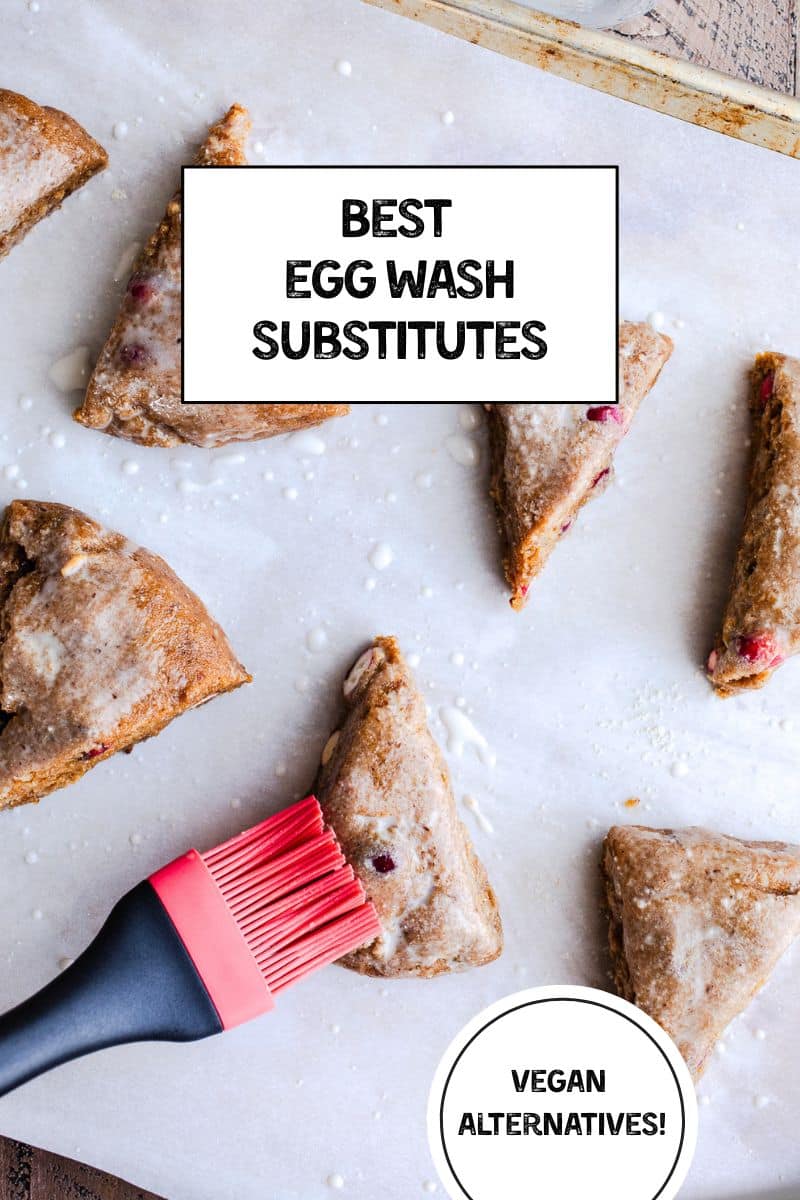
Looking for an egg wash substitute? Explore our guide to find the best vegan alternatives such as non-dairy milk, olive oil and vegan yogurt. Learn how to make substitutions for similar results in a variety of recipes.
Jump to:
Egg wash is simply whole egg (or sometimes just egg yolk or just egg white) which has been lightly whisked. Occasionally, other ingredients like a splash of milk, water, or oil are added to the beaten egg too. This is used for brushing onto unbaked or uncooked dough.
Helping crusts brown - The proteins in the egg react with sugars (present in the egg and the dough they're brushed onto), creating a reaction (the Maillard reaction) that produces a lovely golden-brown color.
Sheen - The proteins dehydrate into a thin film, leaving a shiny residue.
Sealing dough - The proteins coagulate (thicken) when heated, helping to seal the edges of dough together e.g. when making fresh pasta.
Adhering toppings - The proteins in the egg adhere to the dough as they dehydrate in the oven which can be used to help stick toppings to things like bagels.
A simple glaze for helping things lightly brown. It's best to use an unflavored non-dairy milk with a protein content similar to cow's milk (e.g. soy milk) as the proteins are needed for the browning reaction. Non-dairy milk can also be used for sealing the edges of dough together like in blueberry almond flour scones, or helping toppings to adhere to dough, although this is best done with a bit of flour or starch mixed into the milk.
To substitute, use 3 tablespoon non-dairy milk in place of 1 egg.
Adding maple syrup to non-dairy milk makes it much more effective at creating a golden-brown, shiny crust on baked goods. You can also use agave nectar or honey (if not vegan) in place of the maple syrup. It will add a mild sweetness to the crust so consider if this will work with the recipe you're using it in.
To substitute, use 1.5 tablespoon maple syrup + 1.5 tablespoon non-dairy milk in place of 1 egg.
Melted, plant-based butter can aid in browning when brushed on pre-bake. It can give baked goods a softer crust and light sheen if brushed on post-bake.
To substitute, use 3 tablespoon melted, plant-based butter in place of 1 egg.
Brushing olive oil onto dough can help it achieve a deeper golden-brown color when baked. It will create a crisply textured crust on pastry and bread dough.
To substitute, use 2 tablespoon olive oil in place of 1 egg.
Useful for helping form a brown crust on baked goods. It works similarly to non-dairy milk, however its thicker texture makes it coat the surface of doughs more easily than milk. Non-dairy yogurts with a higher protein content (e.g. soy yogurt) work best as the protein is needed for the browning reaction to occur.
To substitute, use 3 tablespoon dairy-free yogurt in place of 1 egg.
This can be from uneven application. You can avoid this by carefully brushing the wash onto the dough pre-bake, and then again halfway through the bake, which will help it cover the bake more evenly. It can also be due to not mixing the egg wash (if using non-dairy milk + maple syrup) properly so ensure you whisk it up well before brushing onto the bake.
Why did my pastry turn out soggy?
Egg wash substitutes can be thinner than regular egg wash and may form puddles on your crust. So try not to overuse the egg wash substitute, only brushing on a thin layer.
What is the best non-dairy milk to use for egg wash?
Soy milk is the go-to option here as it has a protein content similar to dairy milk. The protein is needed for the browning reaction to occur.
In conclusion, egg wash has a variety of culinary applications and there are many different options for substitutes based on the context you need it for. Whether it's for creating a golden crust on your bakes or helping sesame seeds stick to bread dough, there's an easy swap for each instance!
The post Best Egg Wash Substitutes (Vegan Alternatives) appeared first on Salted Plains.
Jump to:
- What is an egg wash?
- Uses
- What is a good replacement for an egg wash?
- Top tips
- FAQs
- Conclusion
- More gluten-free substitutes
What is an egg wash?
Egg wash is simply whole egg (or sometimes just egg yolk or just egg white) which has been lightly whisked. Occasionally, other ingredients like a splash of milk, water, or oil are added to the beaten egg too. This is used for brushing onto unbaked or uncooked dough.
Uses
Helping crusts brown - The proteins in the egg react with sugars (present in the egg and the dough they're brushed onto), creating a reaction (the Maillard reaction) that produces a lovely golden-brown color.
Sheen - The proteins dehydrate into a thin film, leaving a shiny residue.
Sealing dough - The proteins coagulate (thicken) when heated, helping to seal the edges of dough together e.g. when making fresh pasta.
Adhering toppings - The proteins in the egg adhere to the dough as they dehydrate in the oven which can be used to help stick toppings to things like bagels.
What is a good replacement for an egg wash?
Non-Dairy Milk
A simple glaze for helping things lightly brown. It's best to use an unflavored non-dairy milk with a protein content similar to cow's milk (e.g. soy milk) as the proteins are needed for the browning reaction. Non-dairy milk can also be used for sealing the edges of dough together like in blueberry almond flour scones, or helping toppings to adhere to dough, although this is best done with a bit of flour or starch mixed into the milk.
To substitute, use 3 tablespoon non-dairy milk in place of 1 egg.
Maple Syrup + Non-Dairy Milk
Adding maple syrup to non-dairy milk makes it much more effective at creating a golden-brown, shiny crust on baked goods. You can also use agave nectar or honey (if not vegan) in place of the maple syrup. It will add a mild sweetness to the crust so consider if this will work with the recipe you're using it in.
To substitute, use 1.5 tablespoon maple syrup + 1.5 tablespoon non-dairy milk in place of 1 egg.
Plant-Based Butter
Melted, plant-based butter can aid in browning when brushed on pre-bake. It can give baked goods a softer crust and light sheen if brushed on post-bake.
To substitute, use 3 tablespoon melted, plant-based butter in place of 1 egg.
Olive Oil
Brushing olive oil onto dough can help it achieve a deeper golden-brown color when baked. It will create a crisply textured crust on pastry and bread dough.
To substitute, use 2 tablespoon olive oil in place of 1 egg.
Dairy-Free Yogurt
Useful for helping form a brown crust on baked goods. It works similarly to non-dairy milk, however its thicker texture makes it coat the surface of doughs more easily than milk. Non-dairy yogurts with a higher protein content (e.g. soy yogurt) work best as the protein is needed for the browning reaction to occur.
To substitute, use 3 tablespoon dairy-free yogurt in place of 1 egg.
Top tips
- Consider what result the egg wash is meant to produce (browning, sheen, adherence) and choose your substitute based on this.
- For browning, my favorite option is to use non-dairy milk + maple syrup as I always have them on hand and they work well.
- For helping toppings stick to dough, simply using non-dairy milk works well as long as there is a bit of loose flour on the surface of the dough. If there isn't, whisk a pinch of flour or starch (e.g. corn starch, tapioca starch) into the milk before using it.
- Olive oil or melted non-dairy butter work well for aiding browning on bread doughs and biscuits.
FAQs
Why does my vegan egg wash look streaky?This can be from uneven application. You can avoid this by carefully brushing the wash onto the dough pre-bake, and then again halfway through the bake, which will help it cover the bake more evenly. It can also be due to not mixing the egg wash (if using non-dairy milk + maple syrup) properly so ensure you whisk it up well before brushing onto the bake.
Why did my pastry turn out soggy?
Egg wash substitutes can be thinner than regular egg wash and may form puddles on your crust. So try not to overuse the egg wash substitute, only brushing on a thin layer.
What is the best non-dairy milk to use for egg wash?
Soy milk is the go-to option here as it has a protein content similar to dairy milk. The protein is needed for the browning reaction to occur.
Conclusion
In conclusion, egg wash has a variety of culinary applications and there are many different options for substitutes based on the context you need it for. Whether it's for creating a golden crust on your bakes or helping sesame seeds stick to bread dough, there's an easy swap for each instance!
More gluten-free substitutes
Best Gluten-Free Breadcrumbs Substitutes
Best Graham Cracker Substitutes
Best Coconut Flour Substitutes
Best Coconut Cream Substitutes
The post Best Egg Wash Substitutes (Vegan Alternatives) appeared first on Salted Plains.
Last edited: