
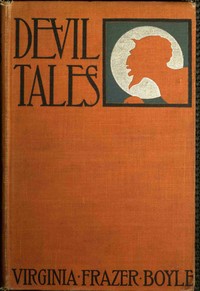
Devil tales by Virginia Frazer Boyle
Published in 1900, Virginia Frazer Boyle's Devil Tales is a collection of short stories steeped in the folklore and atmosphere of the American South. Boyle, a writer from Tennessee, pulls from regional legends, superstitions, and the lingering shadows of the Civil War to create a unique brand of Gothic fiction.
The Story
There's no single plot. Instead, the book is a series of standalone tales all connected by one central, slippery character: the Devil. But forget the cartoonish villain. Boyle's devil is a cunning opportunist. He might appear as a charming stranger on a riverboat, a voice in a dream, or simply as the nagging temptation in a person's own heart. Each story presents a different person—a soldier haunted by betrayal, a proud farmer, a lovesick young woman—facing a moment of moral crisis. The devil offers a shortcut, a secret, or a revenge, always for a price. The stories are less about jump scares and more about the slow, chilling realization of a pact made and a soul in jeopardy.
Why You Should Read It
What grabbed me was how human these stories feel. The horror doesn't come from monsters, but from recognizable flaws: pride, greed, desperation. Boyle had a real ear for dialogue and a journalist's eye for detail, so the settings—the muddy Mississippi, a lonely plantation, a dusty crossroads—feel completely alive. You get a real sense of a specific time and place, with all its social tensions and whispered histories. It's also fascinating as a piece of literary history. This is Southern Gothic before it was a well-known genre, showing how these themes of guilt, history, and the supernatural were woven into the region's storytelling long ago.
Final Verdict
This book is perfect for readers who love atmospheric, character-driven horror and historical fiction. If you enjoy the eerie vibes of Flannery O'Connor or the folkloric roots of Shirley Jackson's work, you'll find a fascinating early ancestor here. It's also a great pick for anyone interested in American folklore or post-Civil War Southern life. Just be warned: it's not a fast-paced thrill ride. It's a slow-burn, a mood piece best read by lamplight, where the true chill comes from seeing the devil not in the story, but in the mirror these tales hold up to our own weaknesses.
This masterpiece is free from copyright limitations. Thank you for supporting open literature.
Christopher Johnson
2 years agoI found the author's tone to be very professional yet accessible, the way it handles controversial points with balance is quite professional. It definitely lives up to the reputation of the publisher.
Nancy Rodriguez
9 months agoI was particularly interested in the case studies mentioned here, the argument presented in the middle section is particularly compelling. It definitely lives up to the reputation of the publisher.
Elizabeth White
9 months agoHaving followed this topic for years, I can say that the clarity of the writing makes even the most dense sections readable. It’s a comprehensive resource that doesn't feel bloated.
Liam Thomas
1 year agoAfter finishing this book, it creates a vivid world that you simply do not want to leave. Worth every second.






Margaret Lee
5 months agoIt effectively synthesizes complex ideas into a coherent whole.